

Angola-Namibia: Cross-Border Tourism & Regional Connectivity Drive Growth
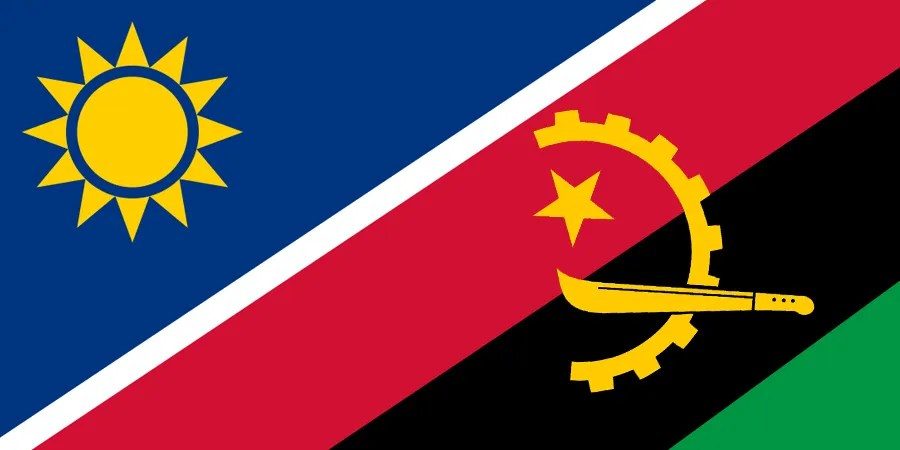
Southern Africa's tourism landscape is undergoing a transformative evolution, driven by strategic regional cooperation aimed at enhancing connectivity and fostering economic growth. A recent landmark series of agreements between Angola and Namibia exemplifies this forward-thinking approach, setting a precedent for how cross-border integration can unlock immense potential for travel and hospitality. These comprehensive bilateral deals, spanning critical sectors from border infrastructure to tourism, signal a deliberate commitment to creating a more seamless and attractive experience for visitors and investors alike. For "Holiday Guide Africa," this development represents a pivotal moment, highlighting the continent's concerted efforts to build robust, interconnected tourism corridors that promise richer, more accessible adventures for global travelers.
At the heart of this cooperation lies a tangible commitment to streamlining movement across shared borders. The agreement to establish a one-stop border post at the bustling Oshikango–Santa Clara crossing is particularly significant. This initiative is poised to dramatically reduce clearance times, alleviating logistical bottlenecks for both commercial traffic and, crucially, for tourists. Imagine smoother transitions between Angola's vast, untouched wildernesses and Namibia's iconic desert landscapes – a direct benefit for those embarking on multi-country safaris or cultural tours. Beyond infrastructure, the agreements also encompass areas like sport, arts, culture, and fishing, laying a fertile groundwork for diverse tourism offerings that celebrate the unique heritage and natural endowments of both nations.
The implications extend far beyond mere border crossings. This bilateral package signals a profound willingness from both governments to commit political capital to genuine regional integration, a factor heavily weighed by institutional investors and project developers. Such multi-sector legal frameworks tend to attract follow-on private investment by clarifying the rules of engagement, creating a more predictable environment for capital deployment. For the tourism sector, this translates into potential for new Featured African Hotels & Safari Lodges, improved transport links, and enhanced services that cater to a growing influx of visitors.
Unlocking Seamless Travel & Cultural Exchange
The vision for enhanced cross-border movement directly benefits the traveler seeking a diverse Southern African journey. Imagine effortlessly combining the stark beauty of Namibia's Skeleton Coast with the vibrant energy of Angola's capital, Luanda, or exploring the rich wildlife of Etosha National Park before venturing into Angola's Kissama National Park. These agreements facilitate the creation of integrated travel itineraries, encouraging longer stays and deeper exploration of the region's varied attractions. From eco-tourism initiatives to cultural festivals, the strengthened ties between Angola and Namibia pave the way for African Tourist Destinations to be experienced as a cohesive, accessible whole.
These bilateral agreements represent more than just diplomatic formalities; they are foundational blueprints for a future where Southern Africa's immense tourism potential is fully realized. By reducing barriers and fostering collaboration, Angola and Namibia are not only enhancing their individual appeal but also crafting a compelling, integrated narrative for the entire sub-region, inviting global exploration and investment into a truly unique African experience.
Investment & Infrastructure: Paving the Way for Tourism Growth
The broader context of regional infrastructure development further amplifies the impact of these agreements. The ongoing upgrades to the Lobito Atlantic Railway, for instance, are positioning Angola as a pivotal logistics hub, and these new bilateral instruments reinforce that positioning by adding legal certainty across adjacent policy domains. While primarily focused on freight, improved rail and road networks inherently benefit tourism by enhancing accessibility and reducing travel times. This robust infrastructure, combined with clarified legal frameworks, makes the region increasingly attractive for private sector engagement, from developing new safari circuits to expanding existing hospitality offerings. Tour operators, for example, can now confidently plan more complex, multi-country itineraries, knowing that border processes are becoming more efficient and predictable. This creates new opportunities for Verified African Tour Operators & Safari Agencies.
The long-term implications for sustainable tourism are profound. By locking in cooperation across multiple policy domains, both governments reduce the risk that progress in one area stalls when political attention shifts elsewhere. This stability is crucial for attracting and sustaining long-term investment in eco-tourism, conservation projects, and community-based tourism initiatives. A more integrated region means shared responsibility for environmental protection and cultural preservation, ensuring that the natural and cultural assets that draw visitors are safeguarded for generations to come. This strategic foresight ensures that the growth in visitor numbers is managed responsibly, contributing positively to local economies and biodiversity.
The Angola-Namibia cooperation stands as a powerful testament to the potential of regional partnerships in driving African tourism forward. By systematically addressing connectivity, legal frameworks, and cultural exchange, these nations are not merely opening their borders but are actively building a more accessible, attractive, and sustainable tourism destination. For travelers seeking authentic, diverse, and increasingly seamless African adventures, and for investors eyeing emerging hospitality markets, this bilateral commitment signals a bright future. We encourage hospitality businesses and tour operators to consider the immense opportunities arising from this enhanced integration. For those looking to capitalize on this burgeoning market, consider to List Your Hotel or Safari Lodge on Holiday Guide Africa.