

East Africa Safaris: Tourism Protecting Wildlife & Communities
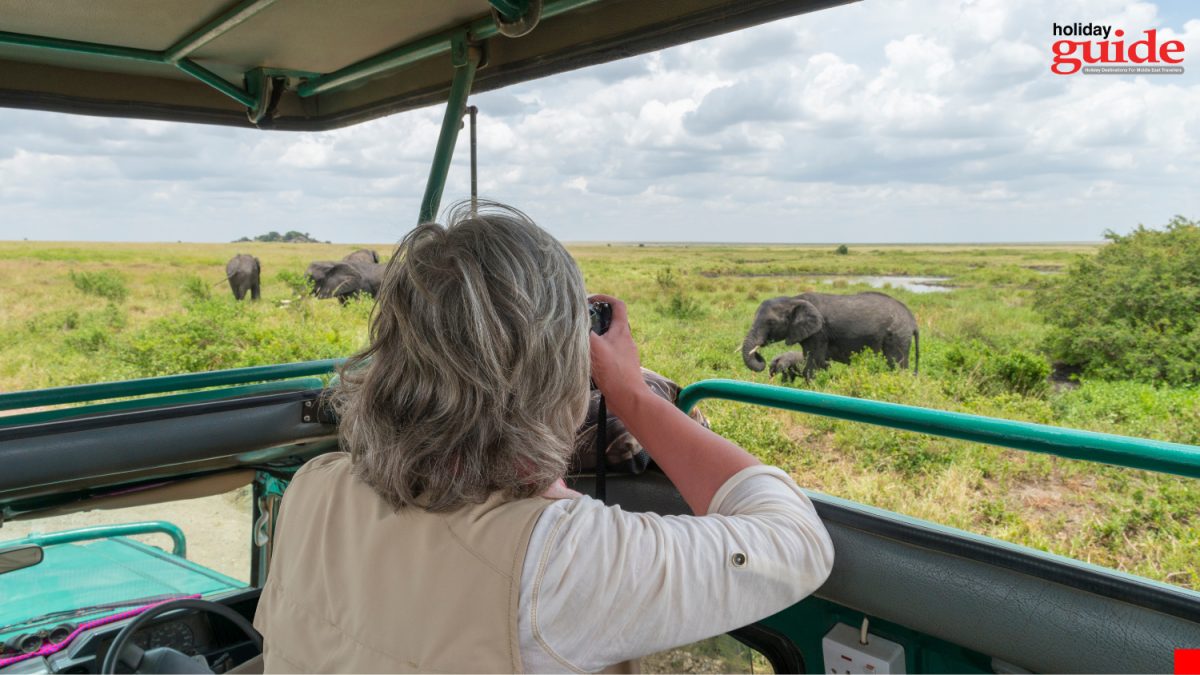
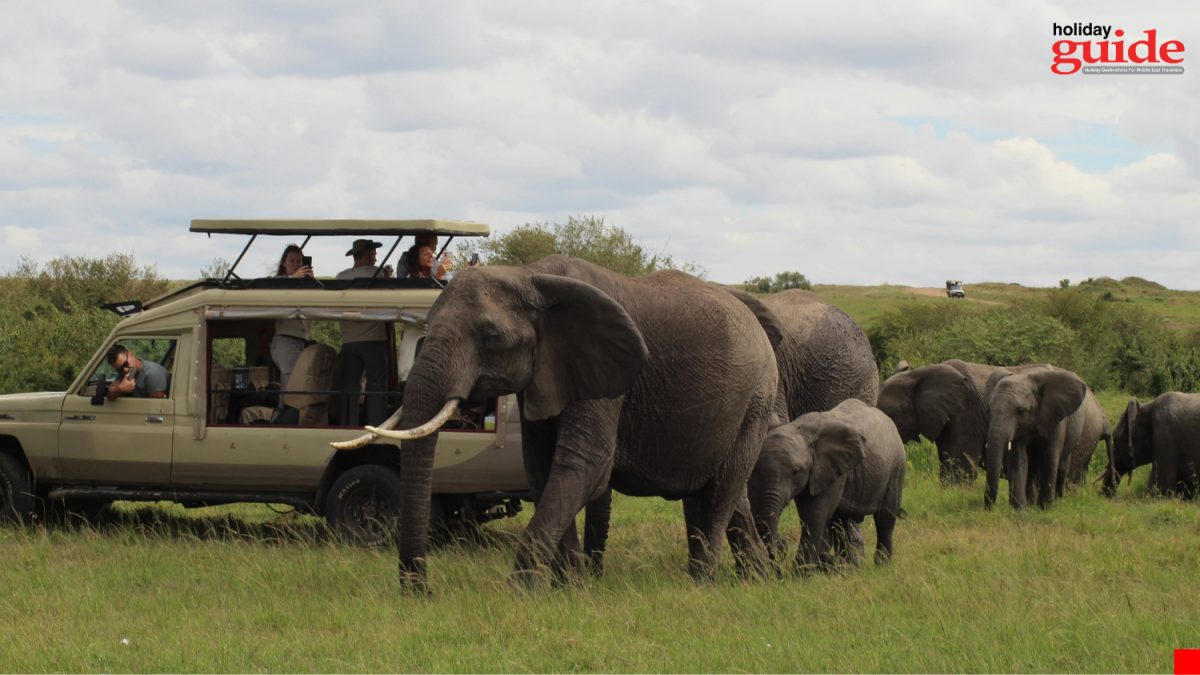
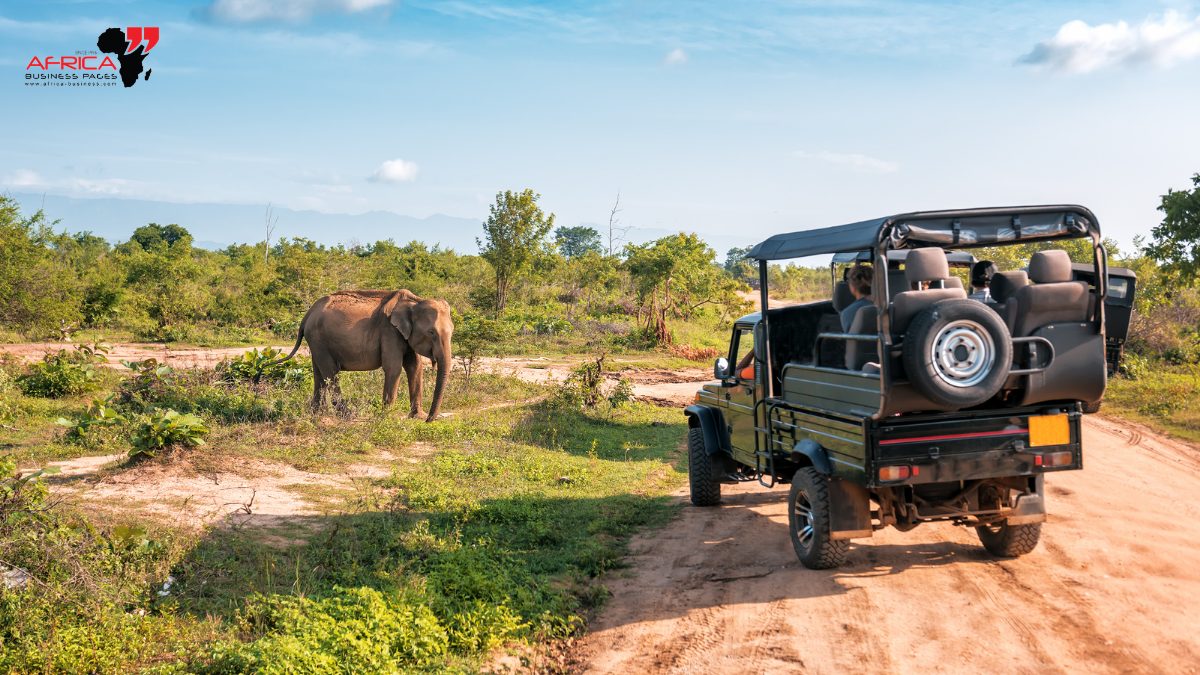
East Africa stands as a global beacon for wildlife conservation, where the majestic landscapes of the Serengeti, Maasai Mara, Virunga Mountains, and Bwindi Impenetrable Forest are not merely backdrops for breathtaking safaris but living testaments to the profound impact of responsible tourism. Far from being just a leisure activity, safari tourism in countries like Kenya, Tanzania, Rwanda, and Uganda has evolved into a critical economic engine, directly funding the protection of endangered species, preserving vital habitats, and empowering the local communities who coexist with these natural wonders. This symbiotic relationship transforms visitors from mere spectators into active participants in safeguarding Africa's invaluable biodiversity, ensuring that future generations can also witness the continent's unparalleled wild beauty.
The financial contributions generated by safari tourism are indispensable for conservation efforts across East Africa. Park entrance fees, concession payments from lodges, and various levies on tourist activities flow directly into national park authorities and private conservancies. These funds are vital for anti-poaching units, which patrol vast territories to protect rhinos, elephants, and other vulnerable species from illegal wildlife trade. Furthermore, they support ecological research, habitat restoration projects, and the management of human-wildlife conflict, which is an ever-present challenge in areas where communities live alongside wild animals. Without the consistent revenue stream from tourism, many of these critical operations would struggle to sustain their vital work.
Beyond direct funding, tourism fosters a powerful incentive for conservation by demonstrating the economic value of living wildlife. When local communities see tangible benefits from protected areas – through employment, revenue sharing, and improved infrastructure – their commitment to conservation strengthens. This shift from potential conflict to shared stewardship is fundamental. For instance, in Kenya's Maasai Mara ecosystem, conservancies managed by local Maasai landowners, in partnership with tourism operators, provide safe havens for wildlife while generating income for the community through land leases and employment opportunities. This model ensures that the land remains open for wildlife migration, a crucial aspect of the ecosystem's health.
The impact of tourism extends deeply into community development. Safari lodges and tour operators are often major employers in remote areas, providing jobs ranging from guides and trackers to hospitality staff and artisans. This creates sustainable livelihoods, reducing reliance on activities that might otherwise degrade natural resources, such as subsistence farming or charcoal production. Many tourism enterprises also invest in local schools, healthcare clinics, and water projects, directly improving the quality of life for residents. This holistic approach ensures that conservation is not an isolated endeavor but an integral part of regional development, creating a shared vision for prosperity and ecological health. For those planning an adventure, consider engaging with Verified African Tour Operators & Safari Agencies.
The success of East African wildlife conservation hinges on a delicate balance: the awe-inspiring experience offered to visitors must directly translate into tangible benefits for the wildlife and the people who share their habitats. This intricate relationship underscores tourism's role not just as an industry, but as a proactive partner in safeguarding the continent's irreplaceable natural heritage for generations to come.
Luxury safari lodges and eco-friendly accommodations are at the forefront of sustainable tourism practices. Many are designed with minimal environmental footprint, employing renewable energy, responsible waste management, and water conservation technologies. These establishments often partner with local communities for sourcing produce, cultural experiences, and employment, ensuring that the economic benefits are widely distributed. By offering immersive, high-quality experiences, these lodges attract travelers willing to pay a premium, thereby contributing more significantly to the conservation economy. Their commitment to ethical operations sets a benchmark for responsible travel within the region, and you can explore many such options among our Featured African Hotels & Safari Lodges.
Fostering Responsible Travel & Conservation Education
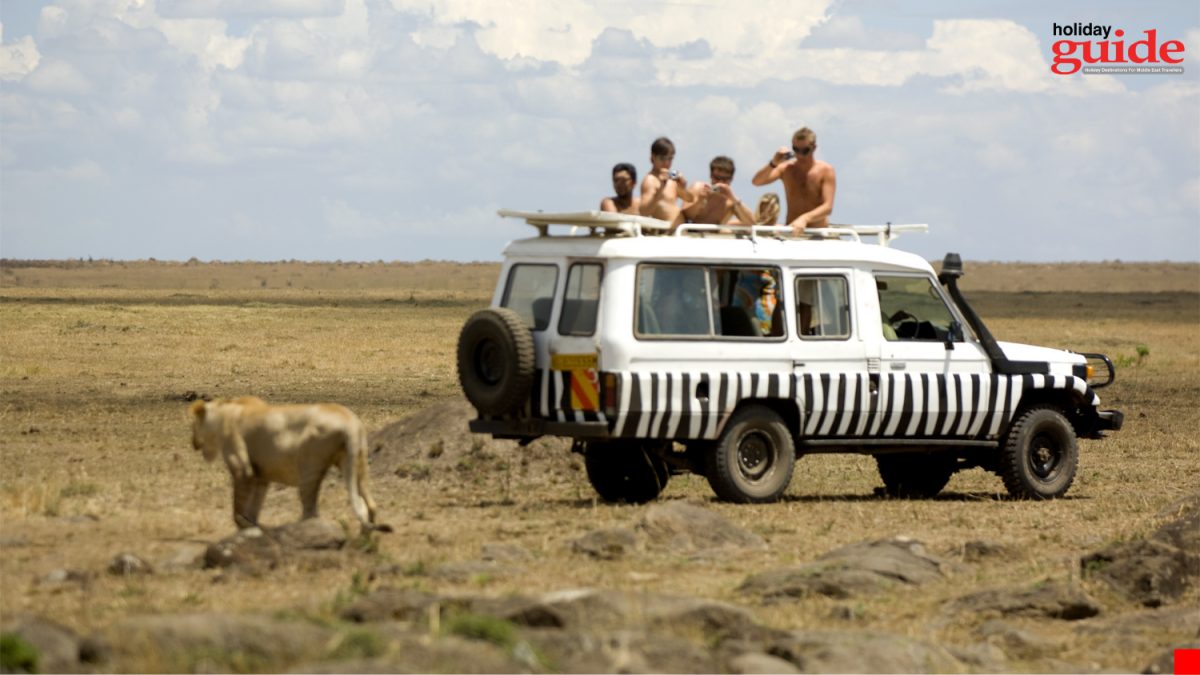
Responsible travel is paramount to maximizing the positive impact of tourism. Visitors are encouraged to choose Verified African Tour Operators & Safari Agencies that prioritize ethical practices, support local economies, and have clear conservation policies. Beyond financial contributions, tourism serves as a powerful educational platform. Encountering wildlife in its natural habitat fosters a deeper appreciation and understanding of ecological interdependence, inspiring travelers to become advocates for conservation long after their journey concludes. Guides play a crucial role in educating guests about animal behavior, habitat challenges, and the importance of adhering to park rules, such as maintaining safe distances and minimizing disturbance.
The Future of East African Wildlife Tourism
Looking ahead, the future of East African wildlife tourism is inextricably linked to continued innovation in conservation and community engagement. As global awareness of climate change and biodiversity loss grows, the demand for authentic, impactful travel experiences is also rising. Destinations like Kenya, Tanzania, Rwanda, and Uganda are continuously refining their strategies to offer unique encounters while ensuring the long-term viability of their ecosystems. This includes developing new protected areas, investing in sustainable infrastructure, and leveraging technology for more effective wildlife monitoring and anti-poaching efforts. The commitment to preserving these natural treasures remains unwavering, with tourism playing a central, evolving role across African Tourist Destinations.
Ultimately, a safari in East Africa is more than just an adventure; it is an investment in the wild heart of the continent. Every visit contributes to a legacy of conservation, supporting the dedicated individuals and organizations working tirelessly to protect iconic species and their habitats. By choosing to explore these magnificent African Tourist Destinations, travelers become integral 'Guardians of the Wild,' helping to ensure that the roars of lions, the trumpeting of elephants, and the silent majesty of gorillas continue to echo across Africa's vast plains and dense forests for countless generations to come. For those looking to contribute to this vital ecosystem, consider partnering with or listing your establishment on platforms like Holiday Guide Africa to reach responsible travelers.