

Rwanda Tourism: Strategic Partnerships Elevate Africa's Green Heart
Rwanda has emerged as a beacon of sustainable tourism on the African continent, captivating global attention with its remarkable conservation achievements and unique travel experiences. Often referred to as the "Land of a Thousand Hills," this East African nation has strategically cultivated an image synonymous with luxury eco-tourism, primarily driven by its iconic mountain gorillas. The country's proactive approach to destination marketing, including high-profile global partnerships, has been instrumental in elevating its international profile, attracting discerning travelers seeking authentic and impactful journeys. This strategic visibility underscores a broader commitment to high-value, low-impact tourism, ensuring that economic growth is intrinsically linked to environmental preservation and community empowerment.
The foundation of Rwanda's tourism success lies in its unwavering dedication to conservation. The protection of its natural heritage, particularly the critically endangered mountain gorillas within Volcanoes National Park, stands as a testament to this commitment. This focus has shaped a tourism model that prioritizes sustainability, offering exclusive, premium experiences that contribute directly to wildlife protection and local livelihoods. Visitors are not merely tourists; they become participants in a vital conservation story, fostering a deeper connection to the destination and its ecological significance.
Beyond its natural wonders, Rwanda's ascent as a premier destination is significantly bolstered by innovative destination marketing strategies. By forging strategic alliances with globally recognized entities, the nation has effectively amplified its brand message to a vast international audience. These partnerships serve as powerful endorsements, showcasing Rwanda not just as a safari destination, but as a dynamic hub for culture, business, and responsible travel. Such initiatives play a crucial role in demystifying perceptions, highlighting the country's safety, stability, and sophisticated tourism infrastructure, thereby inspiring a new wave of inbound tourism.
Conservation at the Core of Rwandan Hospitality
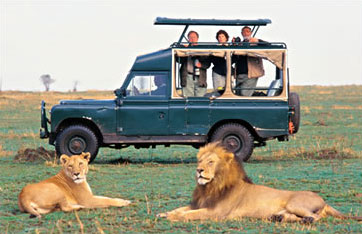
Rwanda's commitment to conservation extends far beyond its famous gorillas. Akagera National Park, a success story of rewilding and protected area management, now boasts a thriving population of the "Big Five," offering traditional safari experiences. Nyungwe Forest National Park provides opportunities for chimpanzee trekking and canopy walks amidst ancient rainforests, showcasing the country's rich biodiversity. These parks, managed with rigorous conservation principles, provide the backdrop for a burgeoning hospitality sector that integrates seamlessly with the natural environment. The emphasis is on eco-lodges and sustainable practices that minimize ecological footprints while maximizing visitor immersion.
The luxury hospitality landscape in Rwanda has evolved to meet the demands of its high-value tourism strategy. World-class lodges and boutique hotels, often designed with local materials and employing local staff, offer unparalleled comfort and service. These establishments are not just places to stay; they are integral parts of the Rwandan experience, providing gateways to adventure while embodying the nation's ethos of sustainability and community engagement. Travelers can explore African Tourist Destinations like Rwanda, knowing their stay contributes to a greater cause. Many of these Featured African Hotels & Safari Lodges exemplify this commitment.
Rwanda's tourism model is a compelling blueprint for sustainable development, demonstrating that economic prosperity and environmental stewardship can not only coexist but thrive together. By investing in its natural assets and strategic global visibility, the nation offers an inspiring narrative of transformation and responsible travel.
Enhancing Connectivity and Visitor Experience
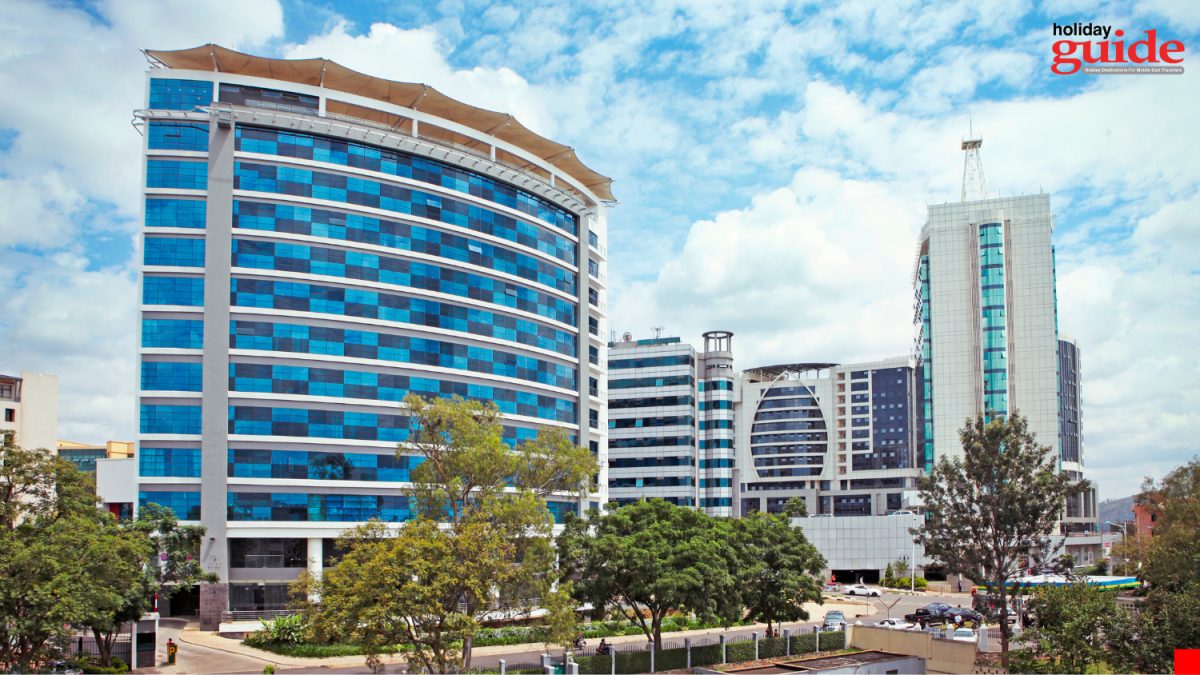
Enhancing accessibility is another pillar of Rwanda's tourism growth. The national carrier, RwandAir, continues to expand its network, offering direct flights to major cities across Africa, Europe, and Asia, significantly improving inbound tourism connectivity. Kigali International Airport serves as an efficient gateway, reflecting the country's commitment to seamless travel experiences. Furthermore, investments in road infrastructure and digital services ensure that visitors can navigate the country with ease, from the bustling capital of Kigali to the remote national parks. This focus on infrastructure complements the premium offerings, making Rwanda an attractive destination for both leisure and MICE (Meetings, Incentives, Conferences, and Exhibitions) tourism.
The future of Rwandan tourism looks promising, with continued emphasis on diversification beyond gorilla trekking. The government is actively promoting cultural tourism, community-based tourism, and adventure activities, aiming to provide a broader spectrum of experiences for visitors. Initiatives to attract more Verified African Tour Operators & Safari Agencies to partner with local businesses are also underway, fostering a robust and inclusive tourism ecosystem. This holistic approach ensures resilience and sustained growth in the long term, cementing Rwanda's position as a leader in African tourism.
In essence, Rwanda offers a compelling case study in strategic destination development. Through a powerful combination of rigorous conservation, high-end hospitality, and astute global marketing, it has carved out a distinct niche in the competitive world of international travel. For those considering a venture into Africa's vibrant tourism sector, Rwanda stands as an exemplar of how vision, sustainability, and strategic partnerships can transform a nation into a must-visit destination. Businesses looking to engage with this dynamic market are encouraged to List Your Hotel or Safari Lodge on Holiday Guide Africa to connect with a global audience passionate about African travel.